Electronic Waste Disposal: Everything You Should Know About Safe Recycling
E-waste disposal is a pressing issue that impacts both public health and the environment. As technological progress continues, the quantity of disposed devices grows steadily. Irresponsible disposal methods allow toxic substances to seep into the environment. Grasping the significance of responsible e-waste recycling is fundamental. This article will examine practical approaches to managing electronic waste and outline the key actions individuals can implement to ensure their electronics are recycled responsibly and ethically.
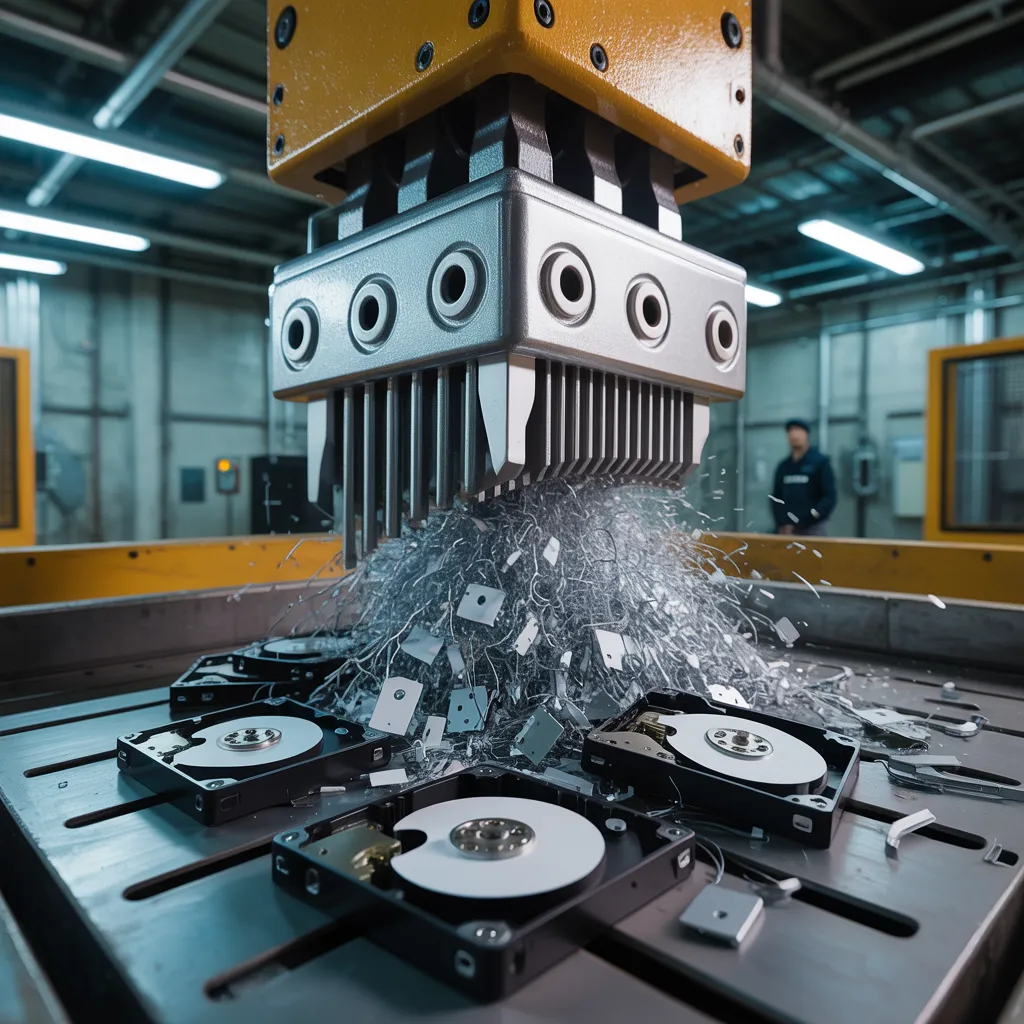
Decoding E-Waste: What It Involves and Why It's Significant
E-waste, also known as electronic waste, includes obsolete and unwanted electrical and electronic equipment, such as computers, mobile phones, and televisions. The swift progress of technology has resulted in a dramatic increase in e-waste generation, turning it into a pressing environmental concern. Globally, millions of tons of e-waste are generated annually, often ending up in landfills or being improperly disposed of. This discarded material holds precious resources, including gold, silver, and rare earth elements, all of which are recyclable. However, the improper handling of e-waste can also lead to the release of harmful substances into the environment. Developing awareness about e-waste is key to fostering responsible disposal habits and effective recycling programs. Individuals, corporations, and governing bodies each have a part to play in reducing the effects of e-waste, highlighting the importance of education and decisive action. Proper handling of e-waste not only preserves valuable resources but also promotes sustainable growth and alleviates pressure on landfills.
The Risks to the Environment and Health from Improper E-Waste Disposal
Improper disposal of electronic waste poses significant environmental and health risks that are often overlooked. Hazardous materials including lead, mercury, and cadmium are frequently present in electronic waste and may seep into soil and water sources, polluting ecosystems and threatening wildlife. These hazardous materials can accumulate in the food chain, posing serious risks to human health.
Beyond damage to the environment, contact with e-waste toxins can cause a range of health issues, including disorders of the nervous system, respiratory complications, and even cancerous conditions. Individuals participating in informal recycling processes are particularly at risk, often lacking protective equipment and adequate training.
The cumulative consequence of inappropriate electronic waste disposal goes beyond direct health risks, resulting in lasting environmental problems such as pollution and biodiversity loss. As the use of electronic devices continues to grow, the urgency of tackling these concerns grows ever more essential for the well-being of both people and the planet.
Top E-Waste Recycling Practices
Proper e-waste recycling relies on appropriate See the full post sorting methods, which ensure that materials are divided based on their recyclability. Utilizing certified recycling facilities further enhances the process, since these facilities comply with environmental standards and safety regulations. Collectively, these best practices promote a more sustainable strategy for electronic waste management.
Essential Sorting Practices
A significant amount of electronic waste is suitable for proper sorting to boost recycling efficiency and lessen environmental damage. Effective sorting methods involve categorizing e-waste into separate categories based on material type, such as plastics, glass, and metals. This method not only simplifies the recycling workflow but also confirms that hazardous materials, like lead and mercury, are managed responsibly. Additionally, categorizing devices by their kind—such as computers, smartphones, and appliances—enables specialized handling techniques tailored to each classification. Adopting these organizational methods can significantly enhance recovery rates of valuable resources, reduce landfill contributions, and lower the risks associated with improper disposal. Ultimately, effective sorting is essential for environmentally sound e-waste practices and ethical recycling methods.
Certified Recycling Facilities
Categorizing e-waste is merely the first step in a complete recycling approach. The following phase involves using accredited recycling centers, which comply with strict standards for eco-friendly processing. These facilities guarantee that toxic materials, such as lead and mercury, are managed safely, minimizing the risk of environmental harm. Authorization typically includes criteria defined by organizations like R2 (Responsible Recycling) and e-Stewards, which support sustainable recycling approaches. By selecting certified facilities, individuals can ensure that their e-waste is handled appropriately, with useful materials reclaimed and harmful substances disposed of correctly. This not only contributes to sustainable practices but also strengthens the recycling-based economy, underscoring the value of responsible e-waste disposal in today's technology-driven society.
Ways to Get Your Devices Ready for Responsible Recycling
Preparing electronic devices for proper recycling includes several essential steps that establish data security and environmental safety. As a first step, users should save important data and then execute a factory reset on their devices to wipe personal information. This guarantees that sensitive data will not be retrieved by unauthorized individuals. Next, it is crucial to disconnect any batteries or accessories, as these components may demand special handling.
Subsequently, users should thoroughly clean their devices to remove any personal identifiers, such as adhesive labels or stickers. Finally, device owners should collect all required cables and original packaging, if available, to assist with the recycling process. By implementing these measures, the risk of data breaches is minimized, and the devices are set up for responsible recycling, thus helping create a more sustainable environment. Adhering to these precautions supports safe e-waste disposal practices.
Finding E-Waste Recycling Centers Near You
How can individuals locate trustworthy e-waste recycling centers in their area? One effective approach is to utilize web-based platforms tailored to meet this need. Platforms like Earth911 and the e-Stewards Directory enable people to find nearby recycling centers by entering their zip code. In addition, many municipalities offer details about approved electronic waste disposal sites through their government websites or sanitation departments. Nearby electronic stores often participate in sustainability initiatives, organizing drop-off events or providing in-store collection. Civic groups and charitable organizations may also hold e-waste recycling drives from time to time, offering a convenient solution for local inhabitants. Beyond that, checking with regional sustainability groups can yield valuable insights into surrounding options and ideal methods. By exploring these avenues, individuals can guarantee they responsibly dispose of their electronic waste while supporting eco-friendly practices.
How Can Consumers Advocate for Sustainable E-Waste Practices?
Finding reliable e-waste recycling centers is just the first step in promoting sustainable practices. Individuals can effectively champion responsible e-waste handling by learning and informing others about the ecological consequences of careless disposal. Distributing knowledge via social media channels, neighborhood forums, or community gatherings can boost awareness and promote conscientious actions among community members.
Moreover, consumers can support companies that value sustainable practices, such as those providing collection initiatives or utilizing eco-friendly materials. Engaging with local government officials to advocate for policies intended to bolstering e-waste management efforts additionally reinforces advocacy efforts.
Participating in or establishing community groups focused on e-waste issues can magnify the demand for positive transformation. Finally, consumers can participate in e-waste collection events, playing a hands-on role in the movement for responsible e-waste management. By following through on these measures, individuals serve a critical function in building a foundation of environmental responsibility and sustainability surrounding electronic waste.
Frequently Asked Questions
What Kinds of Electronics Are Classified as E-Waste?
Electronic waste refers to used electronic products like smartphones, computers, printers, televisions, and household appliances. These products frequently harbor hazardous materials, rendering proper disposal and recycling essential to ensure both environmental protection and public health.
Am I Able to Recycle E-Waste Via Regular Garbage Collection Services?
Placing e-waste in conventional trash services is generally considered inadvisable. Numerous local governments have established rules mandating that e-waste be taken to approved recycling facilities to avoid environmental damage and ensure safe management of hazardous components.
Are There Any Costs Involved With E-Waste Recycling?
Yes, fees may apply to e-waste recycling. Many facilities charge for certain items or services, while some local governments offer free programs. It is advisable for individuals to investigate options to grasp potential expenses before recycling.
How Is Data Securely Wiped From Devices Before Recycling?
Data is safely removed from devices through the use of specialized programs that repeatedly overwrites existing data, ensuring total data removal. Alternatively, the physical destruction of storage media may also be used to prevent data recovery prior to recycling.
What Happens to E-Waste After It's Recycled?
After recycling, electronic waste is broken down and sorted into essential elements like metals, plastics, and glass. These materials are then repurposed for producing new goods, consequently lowering environmental damage and protecting natural resources.